An Urban Guide to Eating in the Burning World
Mass migration, ecological collapse, and global warming—it is undeniable that we live in a challenging time, especially when a torrent of information is endless and constantly at our fingertips. Many institutions, such as UNICEF, the American Psychological Association, and The Guardian, have recognized “eco-anxiety”—anxiety arising from declining ecological conditions and climate change on a global scale—as an emerging psychological problem. On a burning planet, everything seems like too much to cope with; we feel too small to do anything.
As the renowned primatologist Jane Goodall stated in 2011, “You cannot get through a single day without having an impact on the world around you.” Change starts small and on a personal scale. The simple act of choosing what and how we eat can impact the way society is run, as food plays a major role in climate change. According to the Food and Agriculture Organization of the United Nations, global agrifood systems contribute to 32% of greenhouse gas emissions. These emissions include crop and livestock production, manufacturing, transport, and land-use change.
At the Bo.lan Educational Program, a sustainable food habit means becoming "food literate" and understanding the entire journey of your food from the soil to your plate. Here is a very simple guide for those who live in the city and want to contribute to a healthier world:
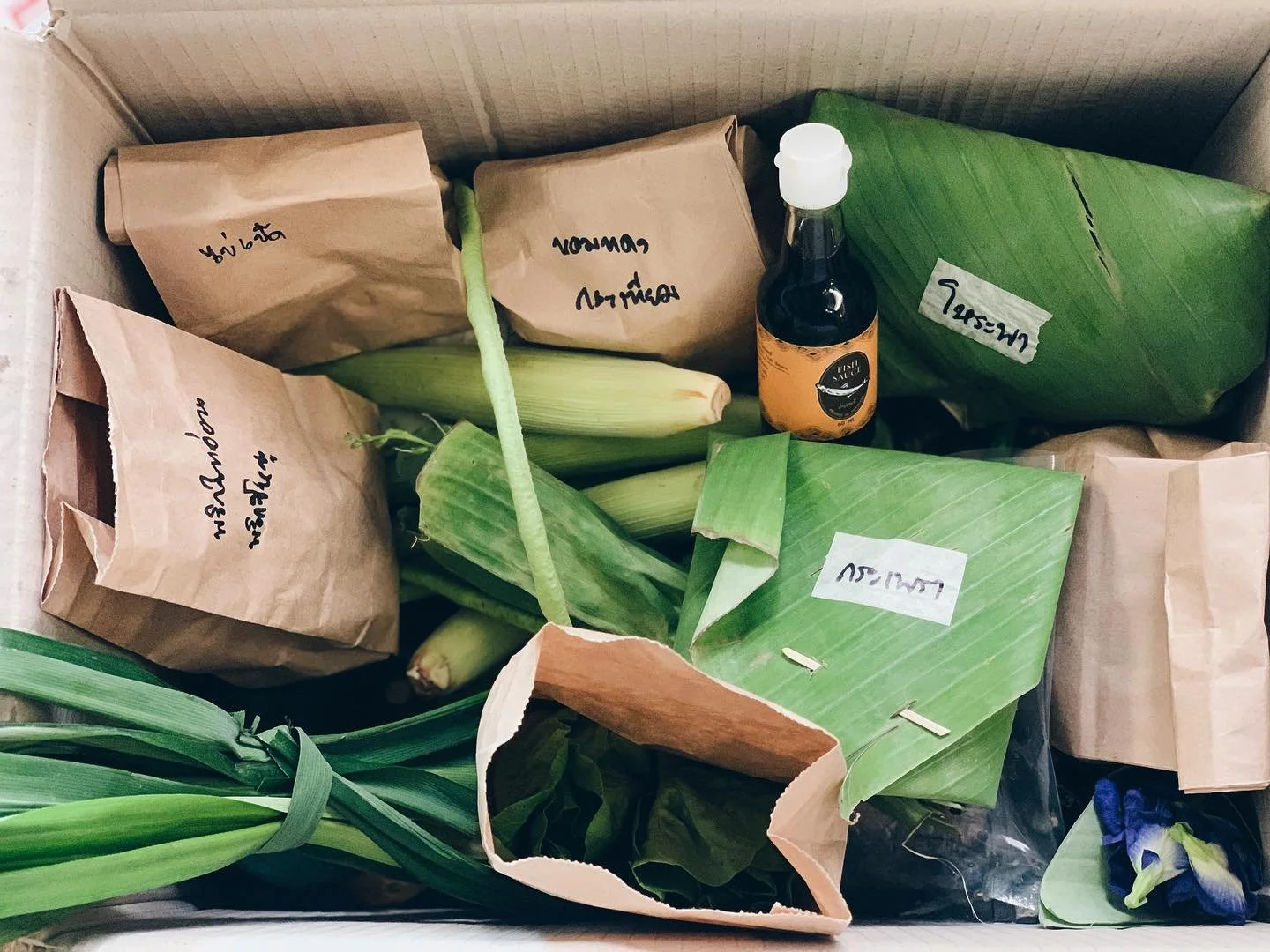
Conscious Consumption: Choose ingredients with a known origin, avoid ultra-processed foods, and prioritize home cooking. When you know the origin, you understand the environmental cost (carbon footprint) and the ethics of the labor involved. While ultra-processed foods often hide poor-quality ingredients and chemicals behind artificial flavors, cooking your own food is the ultimate act of literacy. It ensures you choose your ingredients with consciousness and understanding.
Community Connection: Support the local economy by eating at local restaurants and buying directly from farmers. Buying direct ensures a fair price reaches the producer and promotes biodiversity, as small-scale local farmers often offer seasonal and local ingredients that contribute to our collective food knowledge and ecosystem.
"No-Waste" Lifestyle: Avoid single-use plastics (straws, boxes, and wraps) and practice portion control. A plastic container takes over 400 years to disintegrate naturally and adds to global carbon emissions even with proper recycling. In a city like Bangkok, organic waste in landfills produces methane (a potent greenhouse gas). By reducing waste, you are actively participating in reducing these emissions.
Educate: Keep learning and spreading awareness of food literacy. Many urban food habits are based on a convenience-driven mindset. Constant learning helps you mitigate your environmental impact and contribute to a healthier system. Food literacy is a collective effort; when you share knowledge, you become part of a community of conscious citizens.
If you want to deepen your understanding of not only food literacy but also the culinary wisdom of Thai and international cuisine, head over to the Bo.lan Educational Program website. They offer cooking classes for professional and home cooks, workshops on domestic upcycling, and various organic goods from local producers throughout Thailand. Lastly, remember that we all have the power to change something in the world, and only through that action can we feel whole.