

Why are you still throwing food (in this economy!?)
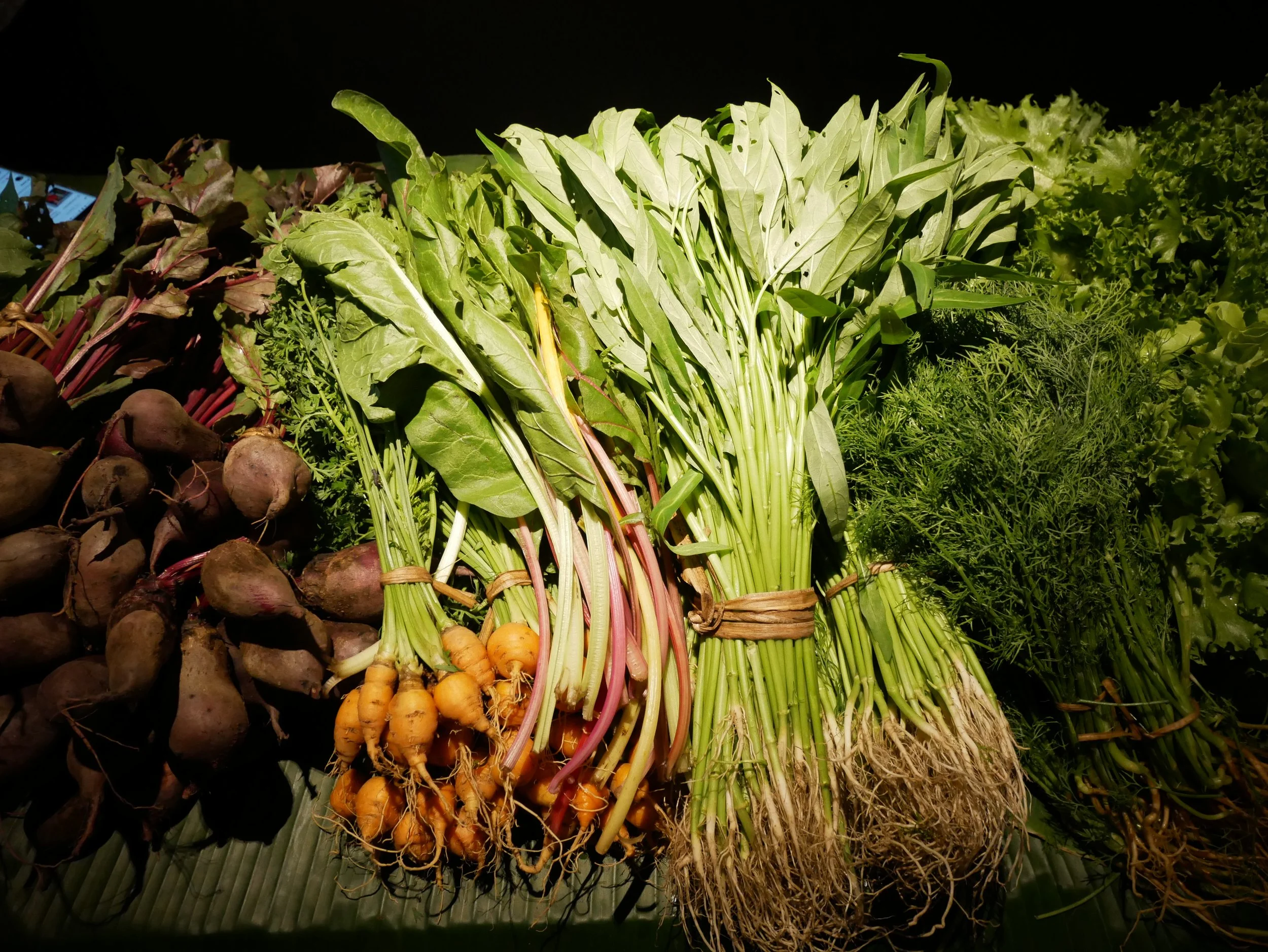
Do you know what happens to the unfinished food on your plate?
It usually goes to a landfill together with other garbage, where it waits for further processing (e.g., to be turned into electricity). Methane from decomposing organic materials contributes up to 10% of global greenhouse emissions. The less we put in the bin, the less harm we contribute to the planet. Here is something you can do to reduce food waste:
Make Conscious Food Choices
Eat out at places that adopt zero-waste or sustainability policies. Order just enough food for your meal. If you cook your own food, avoid single-use plastic containers and make sure to adopt the “first in, first out (FIFO)” principle—perishable items that come in first should be used first. To help minimize food waste, we recommend categorizing your food items according to their shelf life, making sure your refrigerator is not crowded so you can see the food stored in it clearly, and keeping a short list of your last grocery haul so you are aware of existing food.
Upcycle
Upcycling food scraps and ordinary household items is a good way to reduce waste. They also make very good gifts for your special ones.
Khao Tu: Turn leftover rice into the delicious Thai dessert, Khao Tu, by grinding dried leftover rice and mixing it with coconut and sugar. Normally, Khao Tu is scented with a fragrant Thai candle, but you can leave this part out.
Soap: Making soap from used cooking oil and food scraps such as basil stalks, orange peels, and lime wedges is a classic move.
Beeswax cloth: Beeswax cloth is an effective alternative to plastic film. Water-resistant, foldable, and easy to clean, you can use beeswax cloth to cover your leftover plates or wrap vegetables to prolong their shelf life. You can easily make one at home!
Compost and Waste Separation
Turning food waste into compost and fertilizer for your plants sounds like a big undertaking; however, there are many options for household food waste composters that make composting feasible in limited spaces with minimal maintenance. If composting is out of the question for you, start with waste separation. These small steps help lessen the quantity of garbage in the landfill and lower the cost of garbage separation at terminal sorting centers.
Everybody has a hand in changing the world for the better. You can start small by being mindful of your choices. For those who want to learn more about household upcycling, the Bo.lan Educational Program (BEP) offers workshops where you can learn to make homemade Khao Tu, soap, beeswax wraps, and tea from ingredients available in your home. Head over to the BEP website to book your spot.